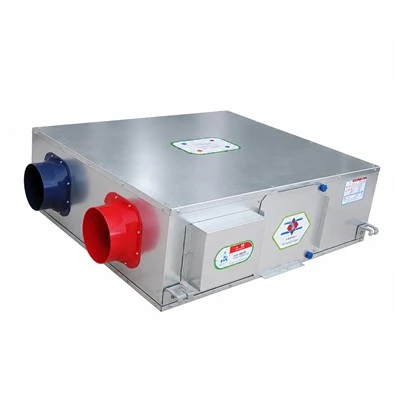
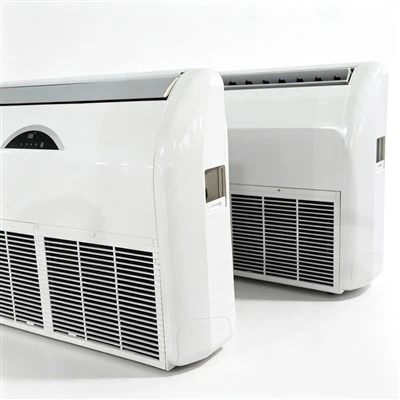
A Commercial Fresh Air System is widely applicable to commercial buildings that require improved indoor air circulation and air quality. As modern buildings increasingly feature enclosed spaces and controlled indoor environments, relying solely on natural ventilation may not adequately meet the air exchange requirements of different commercial facilities. A Commercial Fresh Air System uses mechanical ventilation to introduce outdoor air and remove stale indoor air, providing relatively stable ventilation conditions for offices, retail spaces, hotels, restaurants, and public facilities.
Office buildings are among the most common applications for a Commercial Fresh Air System. Modern office buildings often use centralized air conditioning, and some areas have windows that cannot be opened or have limited natural ventilation. When employees remain in enclosed spaces for extended periods, carbon dioxide, odors from human activities, and other indoor pollutants may gradually accumulate. A Commercial Fresh Air System can continuously introduce outdoor air, promote indoor air exchange, and improve ventilation in workspaces, helping create a more comfortable environment for employees.
Shopping malls and retail centers are also suitable environments for a Commercial Fresh Air System. These buildings typically cover large areas, experience frequent changes in occupancy, and contain different zones with varying ventilation requirements. A properly designed system can deliver fresh air to shopping areas, public corridors, and rest zones while reducing stagnant air conditions. In crowded areas, effective ventilation management can also help reduce the buildup of carbon dioxide and certain odors.
Hotels and other accommodation facilities also benefit from adequate ventilation. Guest rooms, conference rooms, lobbies, and recreational areas have different occupancy patterns and environmental requirements. Some spaces may remain enclosed for long periods. A Commercial Fresh Air System helps introduce outdoor air, improve indoor air exchange, and reduce odors associated with occupancy and daily activities. In guest rooms, where comfort and quiet operation are particularly important, system noise and airflow distribution should also be considered.
Restaurants, cafés, and other food service establishments represent another important application. Dining environments often experience high occupancy, cooking-related odors, and significant ventilation demands. Introducing outdoor air and coordinating it with suitable exhaust equipment can improve air circulation in customer dining areas. However, a Commercial Fresh Air System cannot completely replace a dedicated commercial kitchen exhaust system. Ventilation should be arranged according to the specific requirements of cooking areas and dining spaces.
Schools, training centers, and other educational facilities are also suitable for a Commercial Fresh Air System. Classrooms, libraries, and shared learning spaces may accommodate large groups for extended periods. As occupancy increases, indoor carbon dioxide concentrations can rise if ventilation is insufficient. Introducing adequate outdoor air helps improve air exchange and reduce stuffy indoor conditions, supporting a more comfortable learning environment for students and teachers.
Fitness centers, gyms, and indoor entertainment facilities can also benefit from mechanical fresh air ventilation. These spaces often involve intense physical activity, which can increase heat, moisture, and odors. A Commercial Fresh Air System can help remove some indoor contaminants and improve air circulation. However, environments with high humidity may also require dedicated dehumidification or air conditioning equipment.
Underground shopping areas and other commercial spaces with limited natural ventilation may also require mechanical ventilation. Because underground spaces often lack direct access to operable windows, proper supply and exhaust airflow design is especially important. Different underground environments may have different pollution sources, so ventilation solutions should be selected according to their intended use.
The suitability of a Commercial Fresh Air System also depends on factors such as building layout, occupancy levels, outdoor air conditions, and the intended function of each space. A ventilation approach that works well in an office may not be equally appropriate for a restaurant or fitness center.
Overall, a Commercial Fresh Air System can be used in offices, retail buildings, hotels, restaurants, educational facilities, fitness centers, and underground commercial environments. By considering the specific ventilation requirements of each location, building operators can improve indoor air quality, maintain more consistent air circulation, and enhance occupant comfort.