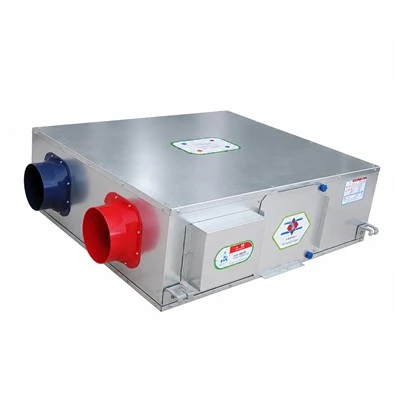
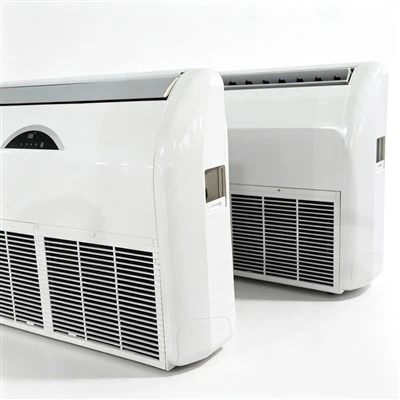
A Cassette Fan Coil Unit is a common terminal device in central air conditioning systems. It is primarily used to regulate indoor air temperature and generally operates in conjunction with a central heating and cooling source. Its working process involves air circulation, heat exchange, air distribution, and temperature regulation. These functions work together to create a comfortable indoor environment.
Air circulation is the foundation of how a Cassette Fan Coil Unit operates. When the unit is switched on, the internal fan starts running and draws indoor air into the unit. After passing through the air filter, the air enters the heat exchange section, where it exchanges heat with the hot or chilled water flowing through the coil. The conditioned air is then delivered back into the room through the air outlets. This continuous circulation gradually improves the indoor temperature.
Heat exchange is the key process that enables a Cassette Fan Coil Unit to provide cooling and heating. In cooling mode, the central air conditioning system supplies chilled water to the coil. As indoor air passes over the coil, heat is transferred from the air to the chilled water, reducing the temperature of the supply air. If water vapor in the air condenses on the cold coil surface, condensate is generated and must be discharged through the drainage system. In heating mode, hot water flows through the coil, transferring heat to the indoor air. The warmed air is then delivered into the room, raising the indoor temperature.
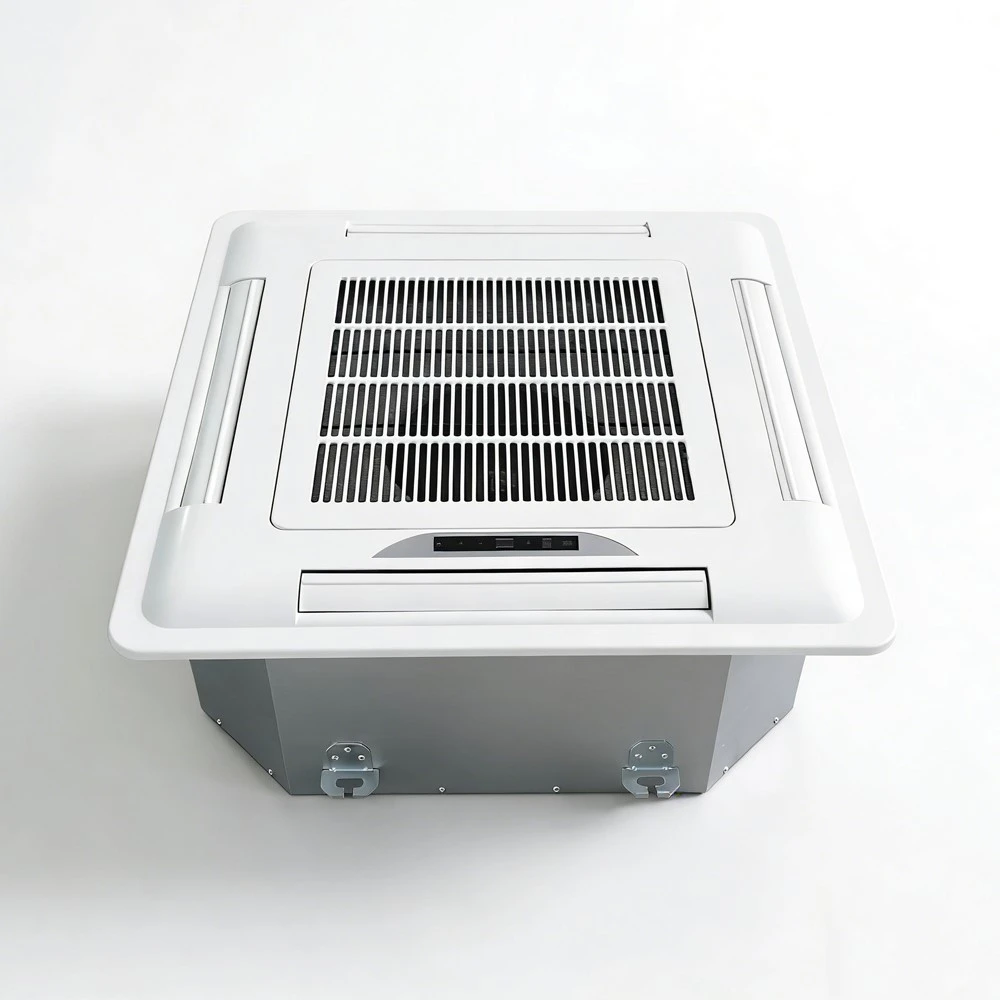
The fan drives airflow through the unit, and its operating condition affects both air circulation and heat exchange efficiency. Appropriate airflow helps air pass through the heat exchange section and distributes the conditioned air throughout the room. A Cassette Fan Coil Unit is generally installed within a suspended ceiling. Its air outlets are integrated into the ceiling panel, allowing the unit to make efficient use of ceiling space while minimizing its impact on the floor area and overall interior design.
Temperature regulation is generally managed by a control system. Users can adjust the desired indoor temperature and fan operating mode according to their needs. The relevant controls then regulate the unit's operation based on the selected settings. Depending on the system configuration, some installations also allow individual temperature control in different rooms, providing greater flexibility.
In addition, the operating performance of a Cassette Fan Coil Unit depends on installation conditions, airflow, the supply of hot or chilled water, and routine maintenance. If the filter becomes clogged with dust, airflow and heat exchange performance may be reduced. If condensate drainage is obstructed, water accumulation or leakage may occur. Therefore, the air inlets and outlets should be kept unobstructed, the filter should be cleaned regularly, and the drainage system should be checked to ensure proper operation.
Overall, a Cassette Fan Coil Unit works by using a fan to circulate indoor air, exchanging heat through a water coil, and delivering the conditioned air back into the room. Its compact structure and flexible installation make it suitable for use with central air conditioning systems in a wide range of indoor environments.