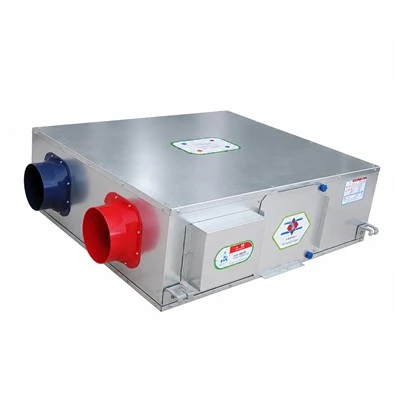
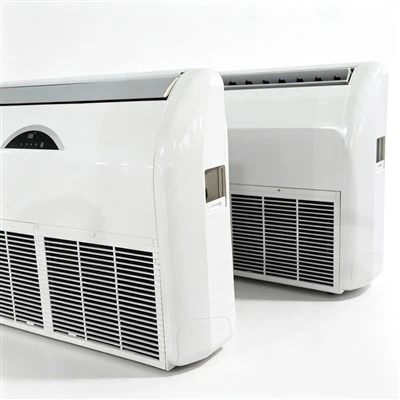
A Commercial Fresh Air System is a mechanical ventilation solution designed to exchange indoor and outdoor air. It is widely used in office buildings, shopping malls, hotels, schools, and other commercial properties. Its basic operating principle involves using fans and ventilation ducts to introduce outdoor air into a building while removing stale indoor air through appropriate exhaust pathways. This process promotes air circulation, reduces the accumulation of certain indoor pollutants, and helps create a more comfortable indoor environment.
First, introducing outdoor air is an essential part of how a Commercial Fresh Air System operates. The system draws outdoor air through an intake installed on the exterior of the building. Fans generate the airflow required to move this air through the ventilation equipment and into the indoor environment. Unlike natural ventilation, which depends on wind pressure and temperature differences between indoor and outdoor air, mechanical ventilation can provide relatively stable air exchange under suitable operating conditions without relying entirely on outdoor wind speed or weather conditions.
Second, air filtration is an important process through which a Commercial Fresh Air System can improve indoor air quality. Outdoor air may contain dust, pollen, and other airborne particles. Therefore, many systems incorporate filtration devices to treat incoming air before it enters occupied spaces. Filtration effectiveness depends on the filter media, equipment design, and maintenance conditions. Proper filtration can reduce the amount of certain outdoor particles entering the building, helping provide cleaner supply air for occupants.
After filtration, the system distributes the treated outdoor air to different indoor areas through ventilation ducts or air supply outlets. Properly positioned supply outlets and well-designed airflow patterns help fresh air reach occupied spaces and reduce areas with insufficient ventilation. In large commercial buildings or spaces with uneven occupancy, carefully planned supply and exhaust airflow paths can improve overall ventilation effectiveness.
At the same time, indoor air must be removed through appropriate exhaust pathways. Some Commercial Fresh Air System configurations use mechanical supply and exhaust ventilation, with exhaust fans discharging indoor air outdoors. Other configurations introduce fresh air while relying on existing building exhaust equipment or other designated air discharge paths. Supply and exhaust airflow should be properly balanced to prevent undesirable pressure differences that could affect ventilation performance and indoor environmental conditions.
Some Commercial Fresh Air System configurations also incorporate heat recovery technology. During winter, indoor exhaust air is generally warmer than outdoor air. During summer, air that has been cooled by an air conditioning system may be cooler than the outdoor air. Heat recovery equipment transfers part of the thermal energy between the exhaust and incoming air streams. Certain systems can also transfer some moisture, helping reduce the energy required to condition incoming fresh air. However, not every Commercial Fresh Air System includes heat recovery functionality.
In addition, a Commercial Fresh Air System can adjust ventilation levels through operational controls. For example, conference rooms and offices with higher occupancy may require increased outdoor air supply, while spaces with fewer occupants may operate at reduced ventilation levels when appropriate. Some systems can use indoor air quality sensors to automatically adjust ventilation according to changing conditions, allowing airflow to better match actual demand.
The effectiveness of a Commercial Fresh Air System also depends on building layout, outdoor air quality, filter condition, and routine operation. Appropriate airflow pathways and operating settings are essential for achieving satisfactory ventilation performance.
Overall, a Commercial Fresh Air System works by introducing outdoor air, filtering incoming air where filtration is provided, distributing fresh air throughout occupied spaces, and removing stale indoor air. Systems equipped with heat recovery and intelligent controls can provide additional benefits in energy management and operational efficiency, helping commercial buildings maintain a more stable and comfortable indoor environment.