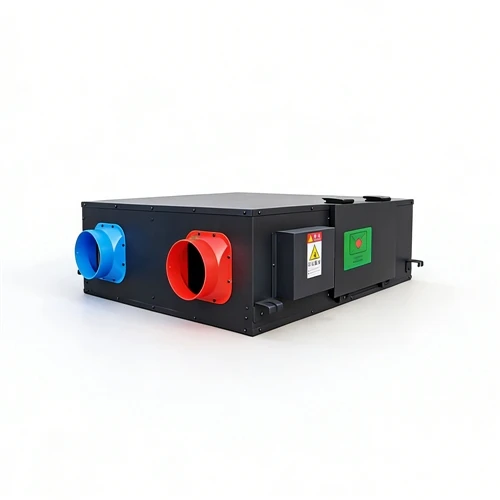
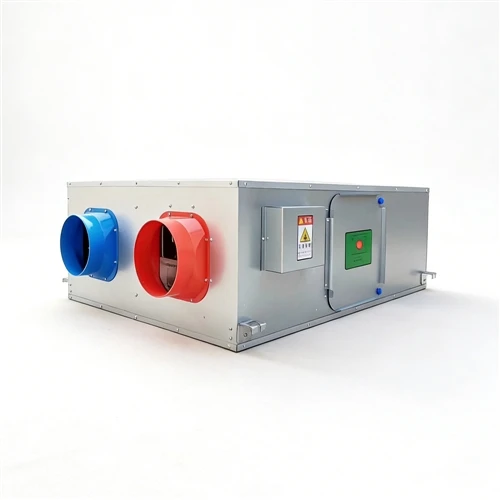
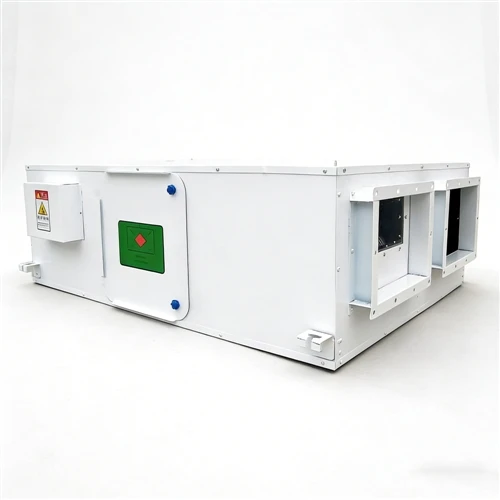
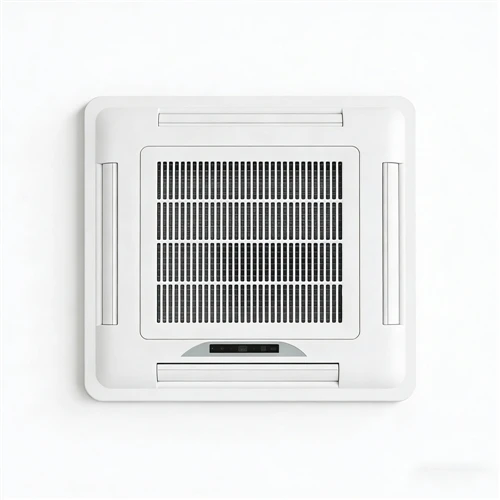
A Cassette Fan Coil Unit is generally installed in a ceiling space. Installation quality directly affects operating performance, noise levels, condensate drainage, and the convenience of future maintenance. Therefore, installation should be carried out in accordance with the building structure, the central air conditioning system design, and the manufacturer's instructions. Proper installation helps prevent operational problems caused by incorrect positioning, poor connections, or inadequate drainage.
First, the installation location should be selected carefully. Before installation, confirm that sufficient space is available within the ceiling to accommodate the unit, piping, and necessary connections. Adequate access must also be provided for filter cleaning, panel opening, inspection, and maintenance. If the surrounding space is too restricted, routine cleaning and servicing may become difficult. Air circulation should also be considered when determining the installation position. Avoid obstructing the air outlets with lighting fixtures, decorative structures, or other objects. Where possible, avoid directing airflow continuously toward areas where people remain for extended periods, as this may cause discomfort.
Second, the mounting structure must be safe and reliable. Since Cassette Fan Coil Units are generally installed above the ceiling, appropriate support and fastening systems must be provided in accordance with the building structure and installation requirements. The equipment must not rely solely on decorative ceiling panels for support. Instead, it should be securely attached to a suitable load-bearing structure. During installation, check that all suspension components and connections are firmly secured to prevent loosening, vibration, or abnormal noise during operation. The unit should also be installed level to avoid problems with condensate collection and drainage.
Third, pipe connections and condensate drainage require particular attention. The fan coil unit must be connected to the air conditioning water system, and the supply and return water pipes must be connected correctly. All joints should be secure, and appropriate insulation should be applied according to the system design to reduce cooling losses and the risk of surface condensation. The condensate drain must be installed in accordance with the design requirements to ensure smooth drainage and prevent blockages, reverse slopes, or other drainage problems. If condensate cannot drain properly, water may accumulate or leak, potentially damaging the ceiling and nearby decorative materials. After connecting the piping, inspect all joints for leaks and verify that the drainage system operates properly.
Fourth, electrical connections must comply with the equipment requirements and applicable site safety practices. Before installation or wiring, disconnect the power supply. Electrical connections should be completed by qualified personnel with the necessary expertise. Power cables, control wires, and terminals must be connected securely to prevent loose connections, damaged insulation, or wiring errors. Control devices should also be connected correctly according to the system design to ensure that the unit can start, stop, and adjust its operating status as intended. Electrical work must not be performed on energized equipment unless specifically permitted under appropriate safety procedures.
Finally, future operation and maintenance should be considered during installation. The filter should be easy to remove and clean, the panel should be accessible, and necessary service areas should not be blocked by piping or other building components.
In summary, installing a Cassette Fan Coil Unit involves more than securing the equipment in place. Proper attention must also be given to piping, electrical connections, drainage, air circulation, and future maintenance. Following the manufacturer's installation instructions and applicable construction practices, together with carrying out appropriate inspections and commissioning, helps reduce the risk of operational problems and maintain reliable equipment performance.