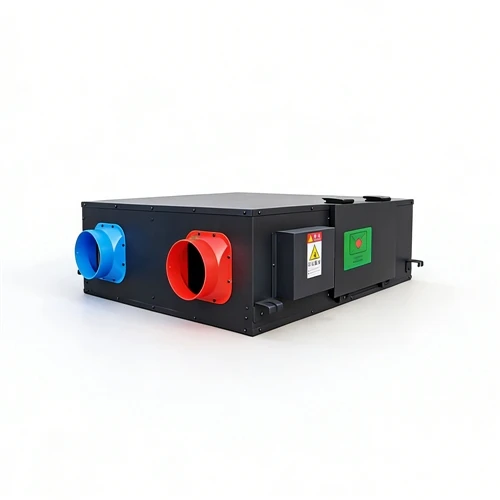
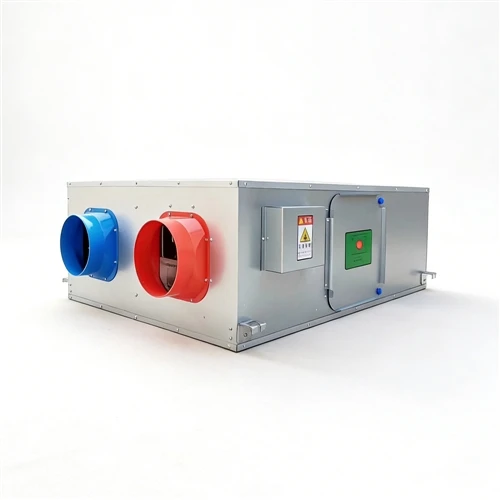
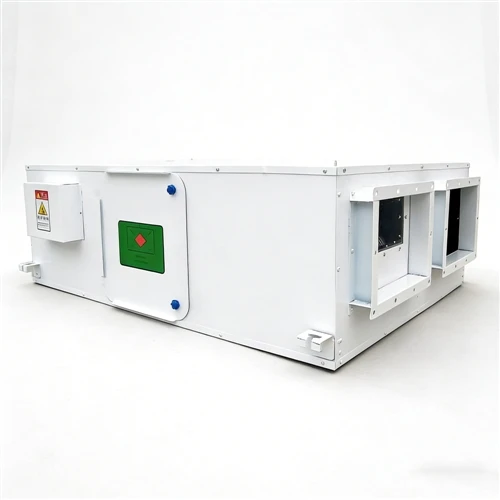
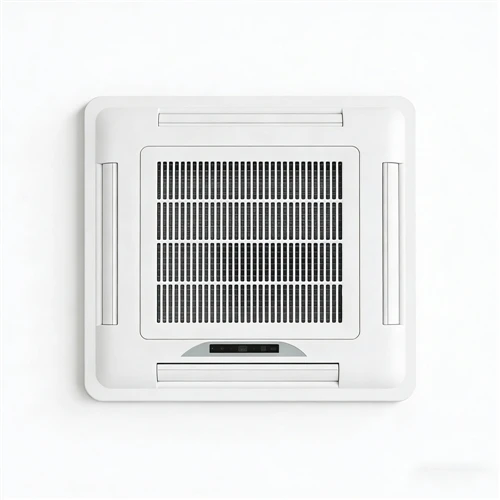
The airflow performance of a Vertical Fan Coil Unit directly affects indoor temperature control and overall comfort. If the unit delivers insufficient airflow, produces air at an unsuitable temperature, or distributes air unevenly, the problem may be related to the filter, fan, heat exchanger, water system, or installation environment. Inspecting these factors systematically can help identify the cause and determine appropriate corrective measures.
First, filter cleanliness affects the volume of incoming air. During operation, indoor air passes through the filter before entering the unit. If dust and lint accumulate on the filter, airflow resistance increases, reducing the amount of air entering the unit and ultimately affecting its air delivery performance. The filter should therefore be cleaned regularly according to the operating environment. This is particularly important in dusty locations or areas where the equipment operates frequently.
Second, fan performance directly affects air delivery. Dust accumulation on the fan wheel, abnormal rotation, or worn components may reduce airflow or increase operating noise. The fan speed setting also influences the volume and velocity of the delivered air. A lower speed generally provides gentler airflow but may not meet the needs of a large space. A higher speed can increase airflow but may produce more noticeable noise. The fan speed should be adjusted according to room size, indoor temperature, and actual operating requirements.

Third, heat exchanger cleanliness affects the supply air temperature. A Vertical Fan Coil Unit relies on heat exchange between the air and the hot or chilled water flowing through its coil. If dust accumulates on the heat exchanger or blocks the spaces between the fins, heat transfer efficiency may decrease, resulting in unsatisfactory cooling or heating performance. The heat exchanger should be inspected and cleaned regularly using appropriate methods. Care should be taken to avoid damaging the fins.
Fourth, water system operation is also important. In cooling mode, an unstable chilled water supply, restricted water flow, or malfunctioning valves may result in a higher supply air temperature. In heating mode, an insufficient hot water supply may prevent the unit from delivering air at the desired temperature. If airflow is normal but the supply air temperature is abnormal, the water circuit and associated control components should be inspected rather than simply increasing the fan speed.
Fifth, the installation location and airflow direction affect air distribution. If furniture blocks the air inlet or large obstacles are placed in front of the outlet, airflow may be restricted, resulting in insufficient air delivery to certain areas. The unit should be installed with the room layout in mind. The air inlet and outlet should remain unobstructed, and the airflow direction should be adjusted so that conditioned air reaches the areas requiring temperature control.
In addition, room size, occupancy, the frequency of door and window openings, and heat generated by equipment can affect the actual airflow and cooling or heating results. If the indoor thermal load is too high for the unit's capacity, cooling may be slow or heating may be insufficient even when the unit is operating normally. Therefore, equipment selection should match the actual requirements of the space.
In summary, the airflow performance of a Vertical Fan Coil Unit depends on several factors. Keeping the equipment clean, ensuring proper fan operation, maintaining the water system, and selecting an appropriate installation location can improve airflow and provide more stable and comfortable indoor temperature control.