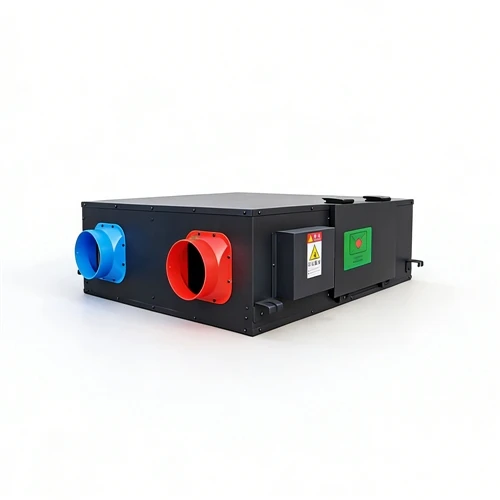
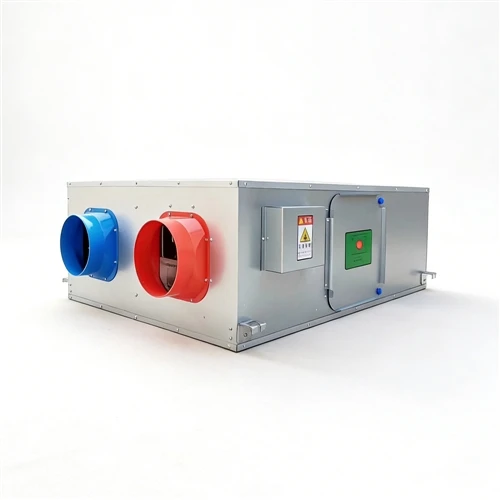
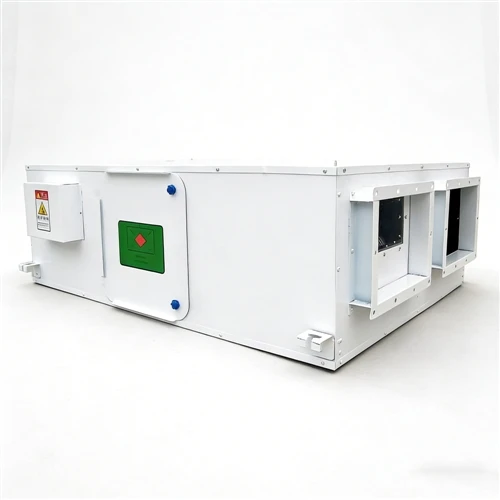
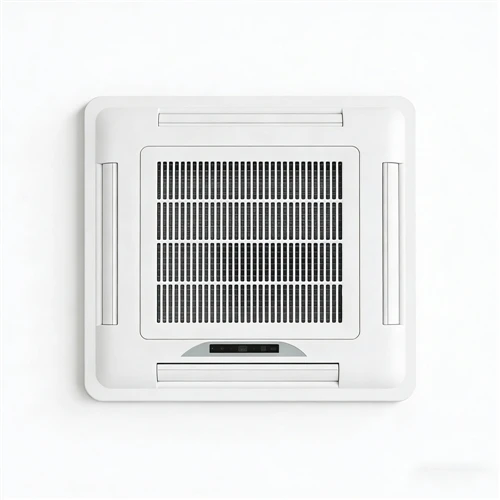
A Commercial Fresh Air System is an important solution for improving indoor air quality in commercial buildings. Modern offices, shopping malls, hotels, and other commercial facilities often experience high occupancy, frequent indoor activities, and limited natural ventilation. Without sufficient air exchange, carbon dioxide, odors, and certain airborne pollutants can gradually accumulate, reducing indoor environmental comfort. Through mechanical ventilation and appropriate air treatment, a Commercial Fresh Air System can improve air circulation and help maintain more stable indoor air conditions.
First, continuously introducing outdoor air is the primary way a Commercial Fresh Air System improves indoor air quality. People produce carbon dioxide through breathing, and indoor carbon dioxide concentrations can increase when ventilation is inadequate. A Commercial Fresh Air System supplies outdoor air to occupied spaces while removing indoor air through exhaust equipment or other designated discharge pathways. When outdoor air quality is suitable and ventilation is properly managed, this exchange can dilute indoor carbon dioxide and improve air circulation, particularly in densely occupied areas.
Second, a Commercial Fresh Air System helps reduce indoor odors. Odors in commercial buildings may originate from occupants, furniture, building materials, food preparation, cleaning activities, and other daily operations. If indoor air is not adequately exchanged, these odors may accumulate in certain areas. By continuously introducing outdoor air and removing a portion of the indoor air, the system can reduce the concentration of some odor-causing substances, helping maintain a fresher indoor environment. However, persistent or strong odors may also require source control and dedicated local exhaust ventilation.

Third, a Commercial Fresh Air System equipped with appropriate filtration devices can reduce the entry of certain outdoor airborne particles. Outdoor air may contain dust, pollen, and other suspended particles that can affect indoor air quality if introduced without treatment. Air filters can capture some of these particles before the air enters occupied spaces. Actual filtration performance depends on the filter media, system operation, and maintenance conditions.
Fourth, a Commercial Fresh Air System can help reduce the accumulation of certain indoor air pollutants. Commercial buildings may contain volatile substances released from building materials, furniture, cleaning products, and other indoor sources. Proper ventilation can lower the concentrations of some airborne pollutants through dilution and removal. However, ventilation alone cannot eliminate every type of pollutant. When pollution sources continuously release contaminants, additional measures such as source reduction and localized exhaust ventilation may be necessary.
A Commercial Fresh Air System also helps address uneven indoor air circulation. In large or complex commercial buildings, some areas may experience poor airflow, creating stagnant or stuffy conditions. Properly positioned supply outlets, exhaust outlets, and airflow pathways can help distribute fresh air throughout occupied areas and reduce ventilation dead zones. This contributes to more consistent air exchange across the building.
In densely occupied offices, conference rooms, and public gathering spaces, a Commercial Fresh Air System can also adjust ventilation according to actual demand. Some systems can use carbon dioxide sensors or other monitoring devices to regulate airflow as occupancy changes. When more people enter a space, the system may increase outdoor air supply. During periods of lower occupancy, ventilation may be reduced where appropriate, helping balance indoor air quality with energy consumption.
Overall, a Commercial Fresh Air System improves indoor air quality through continuous air exchange, particulate filtration, pollutant dilution, and appropriate airflow distribution. When properly operated and maintained, it can help reduce stuffiness and the accumulation of certain pollutants, creating a more comfortable indoor environment for occupants of commercial buildings.