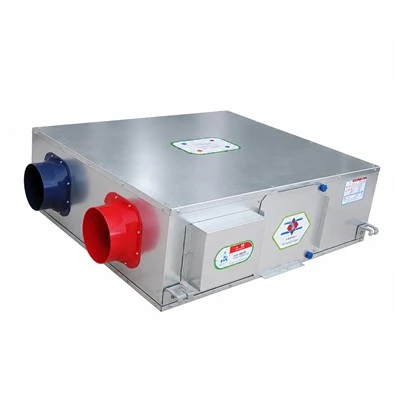
After a Fresh Air Exchanger has been shut down for an extended period, dust may accumulate on or inside the unit, while the air intake, air outlet, and filters may also be affected by the surrounding environment. Therefore, the unit should not simply be operated continuously immediately after a long shutdown. Instead, it should be inspected and cleaned before being restarted to ensure that it is in suitable operating condition.
First, inspect the exterior of the unit and check for obvious dust, dirt, signs of moisture, or other abnormal conditions. If the Fresh Air Exchanger has been stored or installed in a humid or dusty environment, particular attention should be paid to the area surrounding the unit and to any visible accumulation of debris.
Next, inspect the air intake and air outlet. During a long shutdown, dust, debris, and even insects may enter these areas. If the air intake or exhaust passage becomes blocked, the unit may experience insufficient airflow after restarting. Therefore, visible debris should be removed before startup, and the air passages should be kept clear.
The filters should also be carefully inspected before the unit is restarted. Even if the Fresh Air Exchanger has not been operating, dust may accumulate on the filters during a long period of inactivity. The filters should be cleaned or replaced as appropriate based on their actual condition. During cleaning, care should be taken to avoid damaging the filter material.
The ventilation ducts connected to the Fresh Air Exchanger should also be inspected. After a long shutdown, check whether the ducts have become loose, deformed, or visibly blocked. If airflow passages are obstructed, the problem should be addressed before the unit is restarted to avoid affecting the supply and exhaust performance.
After these inspections have been completed, the Fresh Air Exchanger can be briefly test-operated. During the initial startup, pay attention to operating sounds, air supply, and exhaust conditions. If unusual noise, abnormal odors, noticeably insufficient airflow, or unstable operation occurs, the unit should be stopped and the cause investigated. Continuous operation under abnormal conditions is not recommended.
If the unit has been shut down for seasonal reasons, particular attention should be paid to its cleanliness when it is brought back into operation. After restarting, observe the operating condition for a period of time and gradually return the unit to normal use according to its actual performance.
In general, restarting a Fresh Air Exchanger after long-term shutdown can be summarized as "inspect first, clean next, and test-run before regular operation." Even if the unit operated normally before the shutdown, dust, blockages, and changes in connections may have occurred during the period of inactivity. Proper pre-startup inspection can help reduce operating problems and allow the Fresh Air Exchanger to resume operation more reliably.