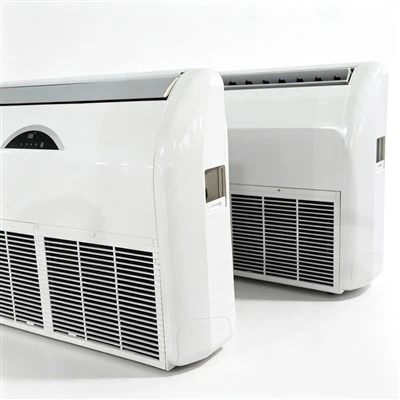
A Floor Standing Fan Coil relies on the coordinated operation of its fan, heat exchanger, and hot and chilled water circulation system to regulate indoor air conditions. To maintain normal operation and effective cooling and heating performance, several factors should be considered during installation, startup, operation, and routine maintenance. Proper procedures help prevent equipment performance problems caused by improper operation or insufficient maintenance.
First, pay attention to the equipment installation location. A Floor Standing Fan Coil should be placed on a flat and stable surface to prevent tilting or excessive vibration. Its position should also be arranged according to the indoor layout. Ensure that the air inlet and outlet are not blocked by furniture, curtains, or other objects. Proper airflow conditions help the equipment achieve effective heat exchange and air distribution.
Second, inspect the hot and chilled water pipe connections. A fan coil unit relies on heat exchange between water and indoor air, so the water piping must remain properly connected. Before operation, check whether pipe connections are secure and whether there are any signs of leakage or seepage. The insulation condition of the pipes should also be inspected to reduce condensation and unnecessary heat loss that may affect equipment operation.
Third, keep the drainage system unobstructed. During cooling operation, moisture in the indoor air may condense on the surface of the heat exchanger, producing condensate water. This water is generally collected in the drain pan and discharged through the drain pipe. If the drain pipe becomes blocked or drainage is restricted, water may accumulate in the drain pan, leak from the equipment, or cause moisture on the indoor floor. Therefore, the drain pan and drainage pipes should be inspected regularly to ensure that condensate water can be discharged properly.
Fourth, keep the filter and heat exchanger clean. During extended operation, dust and other airborne particles may accumulate on the filter and heat exchanger surfaces. Excessive dust accumulation can restrict airflow and reduce heat exchange efficiency. Therefore, the filter should be cleaned regularly according to the operating environment. The heat exchanger should also be inspected for visible dust accumulation and cleaned when necessary.
Fifth, monitor the operating condition of the fan. The fan is an essential component responsible for air circulation in a Floor Standing Fan Coil. During operation, observe whether the fan runs smoothly and check for unusual noise, vibration, or a noticeable reduction in airflow. If any abnormal conditions occur, stop the equipment promptly and investigate the cause to prevent further problems.
Finally, keep the surrounding environment clean. Do not place miscellaneous objects around the equipment, and avoid positioning items that may become damp or obstruct airflow near the air inlet and outlet. Maintaining a clean surrounding area helps reduce dust accumulation and preserve normal airflow.
Overall, when using a Floor Standing Fan Coil, particular attention should be paid to installation stability, piping connections, condensate drainage, filter cleanliness, fan operation, and electrical safety. Proper operation and regular maintenance help maintain stable equipment performance, improve indoor air conditioning, and extend the service life of the equipment.