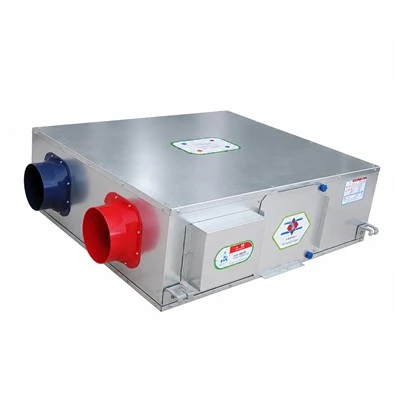
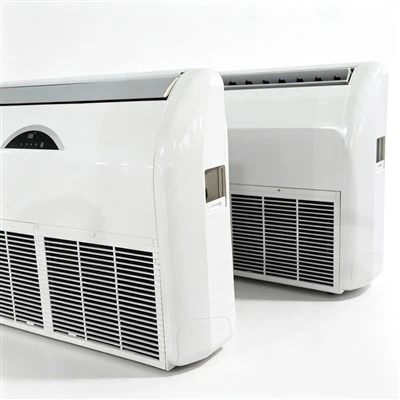
Air Conditioner generates heat by absorbing low-grade heat from ambient air and converting it into high-grade heat for indoor heating. Unlike electric or gas heating systems that produce heat directly, its heating performance is not fixed. It is affected by a variety of external and operational factors. Users' real experience, including heating speed and stable room temperature, is determined by heat exchange efficiency on the outdoor side and heat retention inside buildings. The following factors are the key ones affecting actual heating performance, and all descriptions are based on real usage scenarios.
First of all, outdoor ambient temperature is the most direct and critical factor. Air Conditioner relies on thermal energy contained in outdoor air to provide heating. A higher outdoor temperature means more available heat in the air, better heat exchange efficiency and faster room heating. In mild autumn and early winter, the unit works excellently and indoor temperature rises evenly and quickly. In deep winter with low temperature, the available heat in the air reduces greatly. The unit needs more time to capture heat, so the heating speed slows down. This is a common characteristic of Air Conditioner rather than equipment failure. The unit can still keep heating steadily to meet daily heating needs. Rain, fog and frost can also interfere with heat exchange. Cold and humid weather will temporarily reduce the efficiency of the outdoor unit and cause minor fluctuations in heating output.
Secondly, building thermal insulation is often overlooked by users and creates large differences in heating results for the same unit. Heating with Air Conditioner is a balance between heat generation and heat retention. While the unit keeps producing heat, the building loses heat continuously. Stable indoor temperature can only be maintained when heat production offsets heat loss. If the building has no external wall insulation, single-layer glass windows, gaps around doors and windows, or poor roof and floor insulation, indoor heat will escape quickly. Users may find that the unit keeps running yet the room cannot reach the expected temperature. On the contrary, well-insulated buildings with sealed doors and windows retain heat effectively. The unit can operate at a lower load with stable indoor temperature. Top-floor and corner apartments lose heat faster than inner units in the same building and thus show relatively weaker heating performance.
Thirdly, installation and ventilation conditions of the outdoor unit decide whether heat exchange can proceed smoothly. The outdoor unit of Air Conditioner needs continuous air flow to absorb heat. If it is installed in a narrow space, blocked by walls, railings or plants, or placed too close to building surfaces with piled items, air circulation will be restricted. The unit cannot absorb sufficient heat from air, which directly slows down temperature rise and cuts heating capacity. Outdoor units installed in shaded and enclosed corners always suffer from insufficient air flow and low heat exchange efficiency. Units placed in open and well-ventilated areas can maintain optimal performance. In addition, accumulated dust, fallen leaves and dirt on the outdoor unit block heat transfer and gradually degrade heating performance over time.
Finally, daily operating habits and indoor conditions also exert influence. Setting the indoor temperature too high forces the unit to run under heavy load continuously and weakens stable heating efficiency. Frequent window opening brings continuous heat loss and offsets heating output. Poor circulation of the heat transfer medium hinders heat distribution and results in uneven room temperature. Furniture blocking indoor heat outlets prevents heat from spreading to the whole space. In such cases, the problem lies in heat distribution rather than the unit itself. To obtain the best heating experience, users only need to ensure good ventilation around the outdoor unit, maintain building insulation and adopt reasonable operating habits.