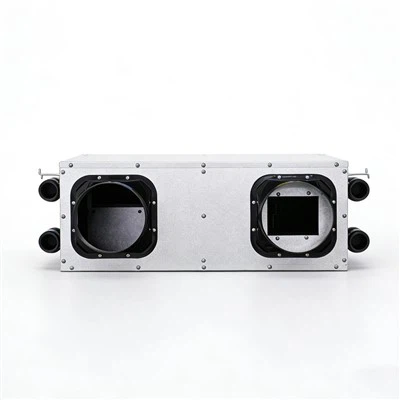
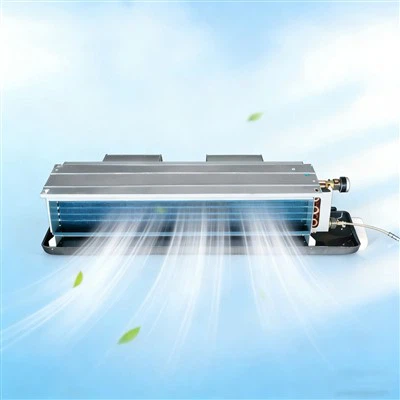
Fresh air exchangers are very suitable for home use. As a device focused on improving indoor air quality and achieving air circulation, they can accurately solve various air problems encountered in daily home living and adapt to the home needs of different housing types and groups of people. Whether it is a small apartment, a large-sized residence, or a family with the elderly, children, or pregnant women, they can play an excellent role and are a high-quality choice for improving the comfort and health of home living.

The core demand of home scenarios is to ensure fresh and healthy indoor air, and the core function of fresh air exchangers exactly meets this demand. In daily life, keeping doors and windows closed for a long time leads to turbid indoor air and increased carbon dioxide concentration. At the same time, harmful substances such as formaldehyde and benzene that may be released by furniture and decoration materials, as well as odors and oil fumes generated by cooking and smoking, can affect the health of residents. Fresh air exchangers can achieve two-way circulation of indoor and outdoor air. While discharging turbid indoor air, odors, and harmful gases, they introduce filtered fresh outdoor air, maintaining indoor air circulation without opening windows and fundamentally improving indoor air quality. They are especially suitable for use on smoggy days, sandy days, or in seasons when doors and windows need to be tightly closed in summer and winter.
From the perspective of home adaptability, fresh air exchangers have very flexible usage scenarios and fully meet the needs of different areas of the home. As the core area for family activities, the living room has more people gathering, so the air easily becomes turbid. Placing a fresh air exchanger can quickly achieve air circulation and keep the living room air fresh. The bedroom is a place for rest and sleep, which has higher requirements for air quality. Fresh air exchangers operate with low noise, will not affect sleep when turned on, and can continuously provide fresh air, reduce carbon dioxide accumulation at night, and improve sleep quality.
For families with special groups of people, the practicality of fresh air exchangers is even more prominent. The elderly and children have relatively low immunity and are sensitive to air quality. The filtered fresh air from fresh air exchangers can reduce the entry of pollutants such as dust, pollen, and bacteria, and lower the probability of respiratory diseases. For pregnant women who stay indoors for a long time, fresh air helps ensure their own health and the normal development of the fetus. For family members with allergies, the filtering function of fresh air exchangers can also effectively block allergens and relieve allergic symptoms.
Many families worry that household fresh air exchangers are power-consuming and complicated to operate, but such worries can be completely eliminated. Household fresh air exchangers generally have low power, and their power consumption when running for a long time is also relatively low, which will not bring an excessive electricity burden to the family. At the same time, their operation design is simple and easy to understand; most are equipped with clear control panels, so the elderly and children can easily use them without complicated debugging or operation.
In summary, fresh air exchangers are not only suitable for home use but also can adapt to the diverse needs of different families. They can not only improve indoor air quality and protect the health of family members but also have the advantages of convenient operation, low energy consumption, and strong adaptability. They can effectively improve the comfort of home living and are an indispensable healthy household appliance for modern families.