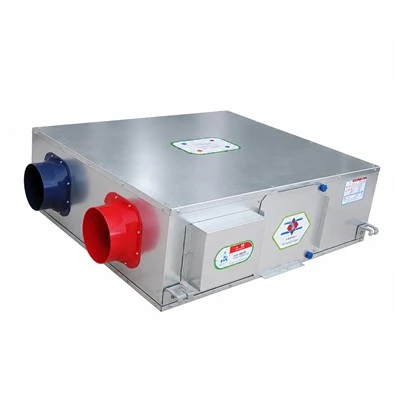
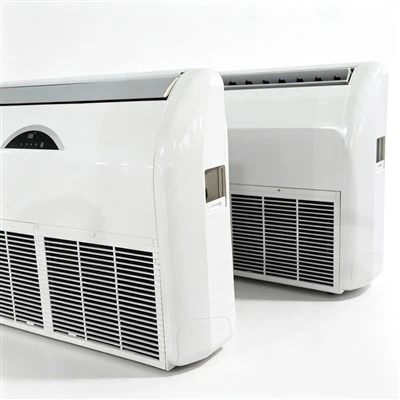
The Air Source Heat Pump Unit helps maintain a stable indoor temperature mainly by continuously transferring heat and adjusting its heating or cooling operation according to actual environmental conditions. Unlike traditional heating methods that rely directly on combustion or electric heating, the Air Source Heat Pump Unit primarily uses low-grade heat energy available in the air. Through the circulation of refrigerant, the system upgrades and transfers this heat to provide the required heating or cooling effect. In heating mode, the unit absorbs heat from the outdoor air and raises its temperature before releasing the heat indoors.
During actual operation, indoor temperature does not remain completely constant. It can fluctuate due to factors such as human activity, opening and closing doors and windows, outdoor weather conditions, and the thermal insulation of the building. The Air Source Heat Pump Unit can work together with a temperature control system to adjust its operating condition according to changes in the indoor environment. When the indoor temperature gradually decreases, the system can increase its heating output to bring the temperature back toward the desired range. When the indoor temperature approaches the set level, the unit can reduce its operating intensity, helping prevent excessive heating and unnecessary high-load operation.
When cooling is required, the Air Source Heat Pump Unit reverses the heat transfer process. It removes heat from the indoor space and releases it outdoors, thereby lowering the indoor temperature. By properly regulating the cooling operation, the system can help maintain the indoor environment within a comfortable temperature range.
In addition, using the Air Source Heat Pump Unit together with terminal systems such as underfloor heating or fan coil units can further improve temperature stability. Different terminal systems transfer heat in different ways, so they should be selected according to the building structure, operating environment, and heating or cooling requirements. When the terminal system operates efficiently and indoor air circulation is well managed, heat can be distributed more evenly throughout the space.
The thermal insulation performance of the building also has a significant effect on temperature stability. If walls, doors, windows, and other building components provide good insulation, indoor heat is less likely to escape quickly. As a result, the Air Source Heat Pump Unit does not need to make frequent or significant adjustments to maintain a relatively stable indoor environment. In contrast, if the building has poor insulation or noticeable air leakage, indoor temperatures may fluctuate considerably even when the unit is operating normally.
Therefore, maintaining a stable indoor temperature with an Air Source Heat Pump Unit does not depend solely on the equipment itself. It is the result of the combined performance of the heat pump unit, temperature control system, terminal equipment, building insulation, and user operating habits. Proper temperature settings, reduced unnecessary start-stop cycles, and good building insulation and equipment maintenance can help improve temperature stability and indoor comfort.